Services
Oral prophylaxis
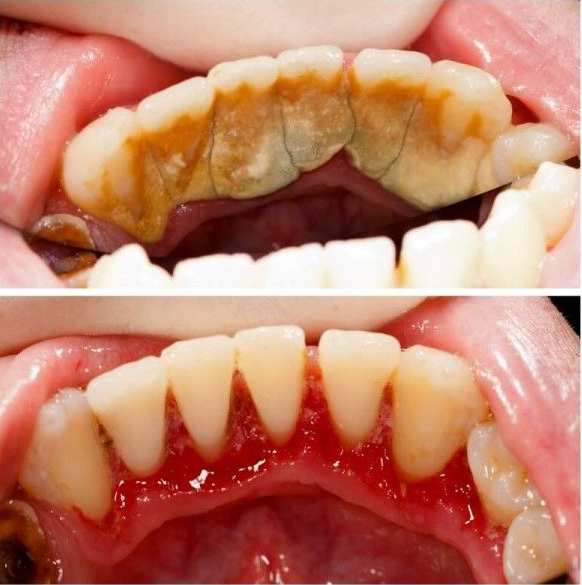
This is a professional deep cleaning of the teeth and gums performed by a dentist to remove plaque, tartar, and other impurities that are not eliminated by daily brushing. Its purpose is to prevent oral diseases, maintain oral health, remove stains and impurities, and combat bad breath. Most people need to undergo prophylaxis every six months, i.e., twice a year.
Dental restoration
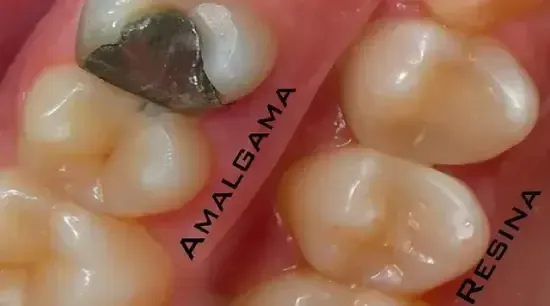
This is a dental treatment that rebuilds a tooth damaged by decay, fracture, or other trauma, restoring its shape, function, and natural appearance. The purpose of restoration is to restore function, improve aesthetics, and prevent future deterioration.
Root canal treatment or endodontics
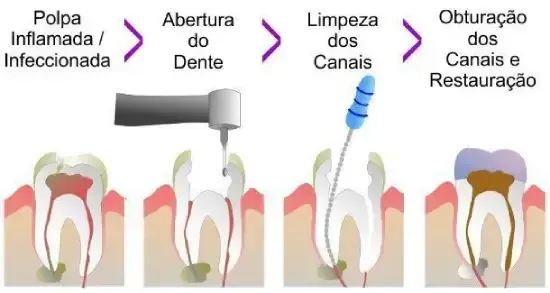
It’s a dental procedure that removes infected or damaged pulp from the tooth, cleans the inside of the root, fills it with a sealing material, and restores the tooth, preserving it from extraction. The need arises from deep cavities, trauma, or broken teeth, and the goal is to eliminate infection and pain while maintaining oral health. The pulp is the soft tissue inside the tooth, which contains nerves, blood vessels, and fibers. When it becomes infected or dies, root canal treatment is necessary.
When is it necessary?
Root canal treatment is indicated when there is:
- Cavities that reach the pulp.
- Broken teeth or fractures that expose the pulp.
- Severe damage to the tooth caused by trauma.
- An infection that can lead to the formation of an abscess.
Orthodontic appliance
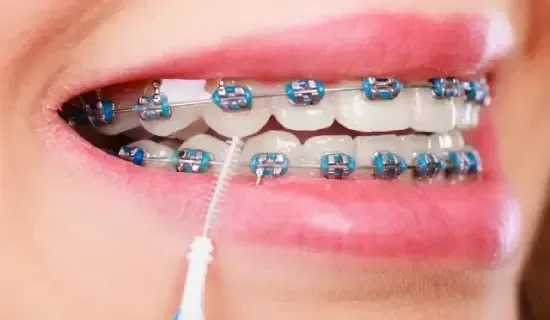
This is a device bonded to the teeth with brackets and a metal wire that cannot be removed, used to correct complex dental misalignment problems. It moves the teeth into the correct position through the forces generated by the interaction of the wire with the brackets. The treatment requires rigorous hygiene, maintenance appointments, and avoiding hard or sticky foods, bringing benefits such as a more aligned smile, improved chewing function, speech, and increased self-esteem.
Tooth extraction
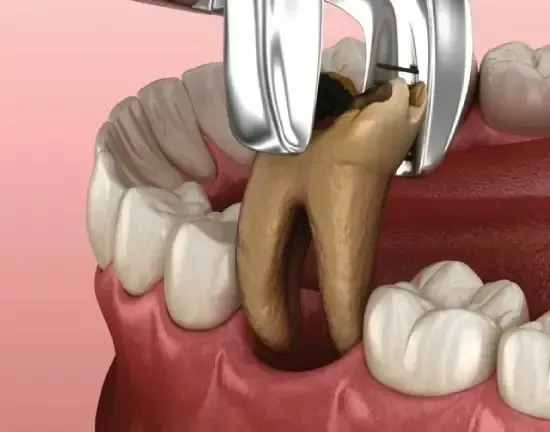
This is the removal of a tooth from the bone cavity, a procedure performed by a dentist to treat problems such as advanced cavities, damaged teeth, infections, or to extract wisdom teeth. There are two types:
simple extraction, for visible teeth, which uses levers and forceps, and surgical extraction, for teeth that are broken in the gum or impacted, which requires incisions in the gum and sometimes the division of the tooth. The procedure is painless due to local anesthesia, and postoperative care includes: rest, soft foods, and cold compresses to reduce swelling and aid healing.
Dental Prosthesis
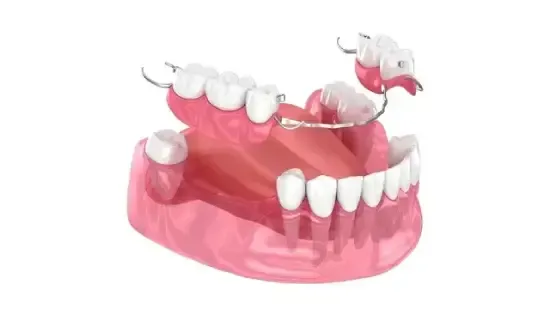
This is a solution to replace one or more missing or damaged teeth, restoring the patient's aesthetics and chewing, speaking, and swallowing functions. They can be fixed (such as crowns and bridges, which are not removed by the patient) or removable (which can be removed, such as full or partial dentures). The choice of prosthesis type depends on the individual needs and oral health of the patient, with options ranging from resin to porcelain and zirconia, seeking to restore comfort, function, and self-esteem.